KNo other measure is as directly linked to money, trust and responsibility as weight. Scales create commitment. They turn physical reality into a commercial basis: reliable, traceable and contestable in the event of a dispute. This foundation can be shaken by criminal energy, but also by unsecured processes, uncontrolled access rights and media breaches – without any malicious intent.
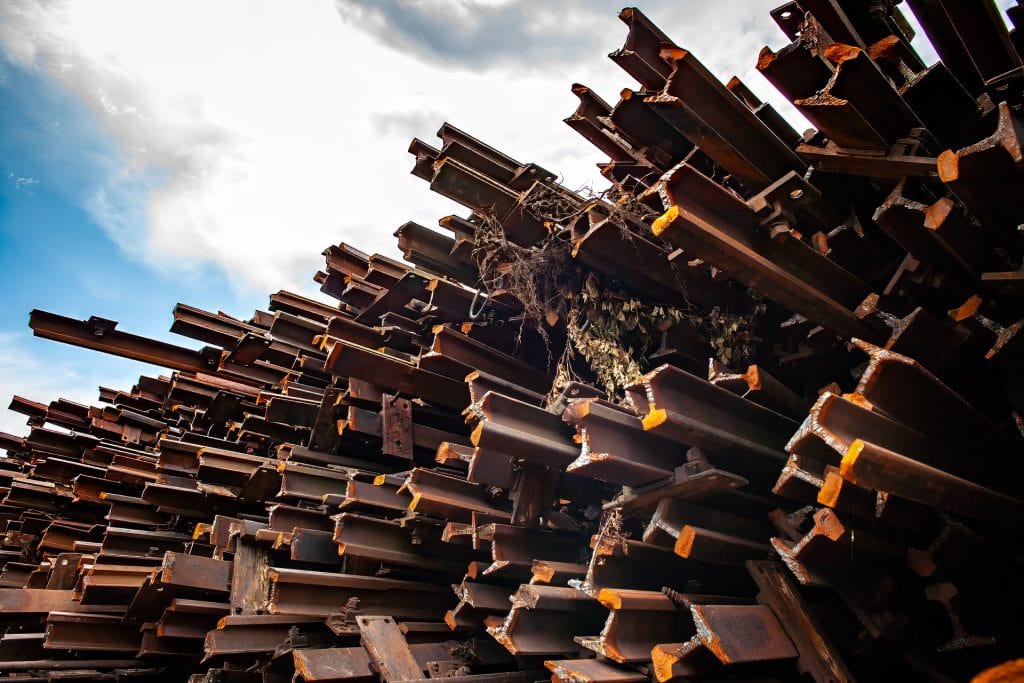
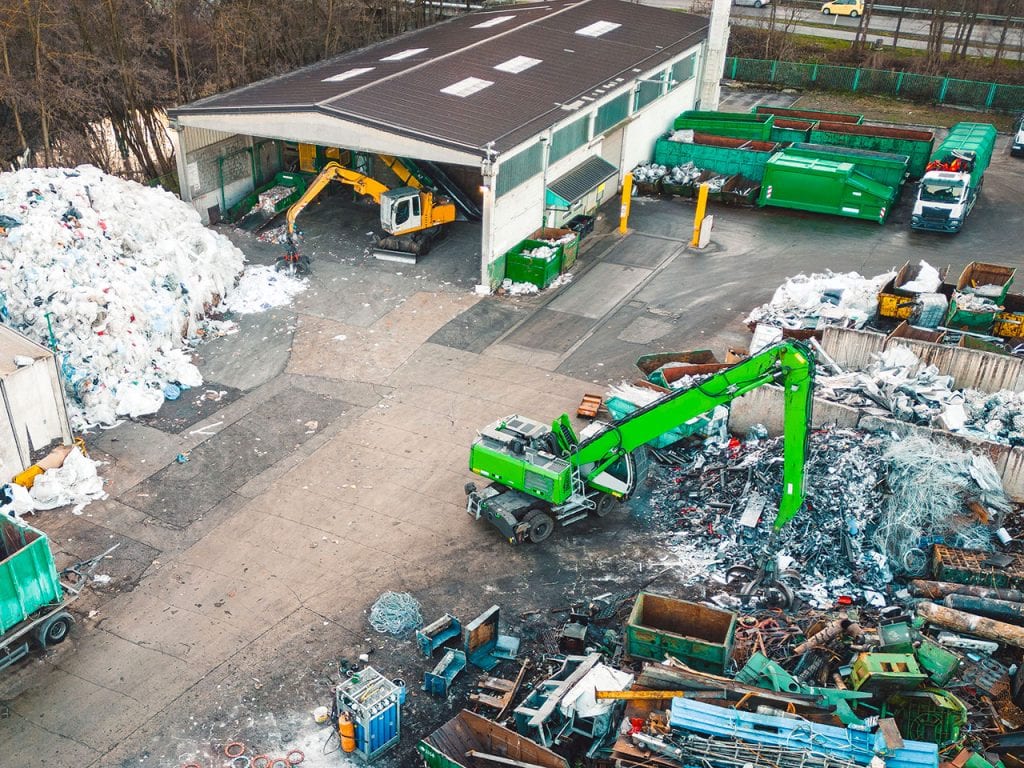
A A recent case from Wuppertal shows how quickly a seemingly harmless procedural error can result in massive economic damage: In mid-March 2026, two entrepreneurs stood trial at Wuppertal District Court on 42 counts of commercial fraud. They allegedly recycled salvaged scrap metal on behalf of the company KNIPEX and manipulated the scales for years. For the period from January 2018 to June 2021 alone, the indictment puts the loss at around 420,000 euros. Under civil law, millions of euros in damages were ultimately paid.
The case is so revealing because it is not a classic single-perpetrator fraud. It shows how an inadequately secured weighing process can be exploited over years and how difficult it is to prove anything afterwards.
Tampering with the scales: what exactly happened
The commissioned recycling company is alleged to have initially set an increased unladen weight on an analog truck scale, with the result that KNIPEX was systematically paid too little scrap. When the scales were later converted to a digital system, one of the defendants is said to have subsequently changed the weighing results on a second computer terminal by increasing the recorded unladen weight of the trucks. The fraud system therefore survived the digitalization. And this was possible because the process had no effective control mechanisms.
What this means for you as the operator of a truck scale
If you are a reputable truck scale operator and don’t want to arouse suspicion in the first place, you need to ask yourself: “In case of doubt, can we prove that everything has been done correctly?”
If a client, an inspector or a court asks whether a weighing result has been obtained correctly, you must be able to prove it. And this requires that your process is documented in such a way that every change, every exception and every correction remains traceable.
Calibration is mandatory, but not enough
The Measurement and Verification Act (MessEG, §§ 31, 33, 37) stipulates that measuring devices must be calibrated and properly used in commercial transactions. In addition, evidence of maintenance, repairs and interventions – expressly including those carried out electronically – must be retained. This is the legal basis. However, it does not automatically protect against the suspicion that master data has been subsequently changed, tare values manipulated or weighing results overwritten in the system.
A calibrated device is therefore a necessary but not a sufficient condition for a safe process.
If you want to go one step further, you can also use a DAkkS calibration set. Calibration by a calibration unit operated by the German accreditation system accredited body verifies the measuring accuracy of a scale using metrological methods and generates an independent, traceable certificate. This does not replace legal verification, but supplements it in a meaningful way, especially where the company’s own measurement quality needs to be proven to clients or authorities. A DAkkS calibration certificate is a strong argument if the reliability of your measured values is questioned.
What makes a resilient weighing process
The crucial question for your company is: Is there a complete, unalterable audit trail for every weighing process? In concrete terms, this means
- Tare master data: Every change to an empty weight must be person-related, time-stamped and documented in a traceable manner. Who changed which value when – and why? Without this history, you will lose the ground under your feet at the first critical query.
- Weighing processes: Subsequent corrections must be technically restricted and subject to approval. Who may change a completed weighing process? Under what conditions? With what logging? Systems that do not regulate this are not secure systems, regardless of how modern the hardware is.
- Alibi memory: Modern digital weighing terminals have a memory required by calibration law for connected PCs, the so-called alibi memory. Each weighing data record is stored there unalterably with a consecutive number – directly in the device, outside the access of the office software. This has a decisive consequence: if the management software in the office displays a different value than the alibi memory of the scale, any subsequent manipulation can be proven immediately. The alibi memory is therefore the toughest control tool in the entire weighing process – and the first place an inspector or assessor visits in the event of suspicion.
- Roles and rights: The same person must not be allowed to maintain master data, record weighings, approve corrections and generate reports. Separation of functions is not a bureaucratic effort, but the simplest protection against unnoticed tampering. And at the same time the best protection for your employees themselves.
- Vehicle identification: Automatic license plate recognition clearly links each weighing to a specific vehicle. This reduces manual entries and makes deviations immediately visible, for example if a different unladen weight is suddenly recorded for a known vehicle than at the last weighing.
- Avoid media breaks: As soon as weighing data is “updated” outside the leading system – by Excel export, by manual note, by subsequent correction in a separate terminal – you lose exactly the traceability that you need in case of doubt.
- Yard Management System: A specialized softwarethat documents everything that happens around the scales – vehicle arrival, order linking, weighing process, dispatch. It makes seamless documentation a routine, not an exception. A good Yard Management System combines scales, license plate recognition, order data and time stamps into a consistent data record that cannot be changed retrospectively. What used to require mountains of files and paper documents can now be mapped on a daily basis and can be audited and presented quickly in the event of a dispute.
- Plausibility checks: Regular evaluations by vehicle, shift, material and user make patterns visible that appear inconspicuous in individual cases. Recurring tare deviations for certain vehicles or suppliers, net weights just below relevant thresholds or unusually stable weight curves over long periods of time: these are not certain evidence of fraud, but clear signals to take a closer look.
What this means for compliance, GoBD and the Whistleblower Protection Act
Electronic records are subject to the GoBD principlesTraceability, verifiability, immutability. Changes must not disappear without a trace. Anyone who stores weighing data but has no reliable procedural documentation and no change log fulfills the formal requirements, but not their purpose.
The Whistleblower Protection Act (HinSchG) also obliges many employers to set up internal reporting offices. Employees at the scales should know clearly where they can go if they notice something irregular. Clear escalation channels protect honest employees and make it much more difficult for dishonest actors.
What this means for you as a waste disposal, recycling or logistics client
The second dimension of the case is the one that directly affected KNIPEX: The company trusted an external service provider and was unable to recognize for years that too little was being systematically billed in the process. This is not an isolated case. This risk exists wherever weight is the basis for remuneration, verification or quantity balance.
Anyone who commissions external partners with weighing processes, be it scrap recycling, waste disposal, construction site logistics or incoming goods inspection, should not blindly trust that the service provider is working correctly. Trust is good, traceability is better – and a question of responsible client duty.
What you should look out for with external service providers
- Transparency of weighing receipts: Do you receive a complete, auditable receipt for each weighing, with date, time, vehicle registration number, gross, tare and net? Or do you only receive an aggregated statement at the end of the month?
- Proof of calibration and maintenance documentation: A reputable service provider can provide proof on request that its scales are calibrated and regularly maintained be carried out. This is not an exaggerated requirement, but is prescribed by law.
- Traceability of tare values: Ask how the service provider records and manages empty weights. Are vehicle tare weights checked regularly? Are there defined processes for corrections? Who is authorized to change tare master data?
- Possibility of checking: As the client, do you have the right to carry out your own random checks? Are you granted access to the weighing data on request? You should draw the attention of service providers who refuse this from the outset.
- Drafting the contract: stipulate which documentation requirements apply, that weighing receipts are stored in an auditable form and that you can request access to relevant data in the event of a dispute. Long-standing partnerships and personal trust are no substitute for a reliable contractual basis.
- Plausibility comparison: Regularly compare the invoiced quantities with your own production data, stock levels or material balances. If the figures deviate systematically in one direction over months, this is a signal – even if every single invoice looks formally correct.
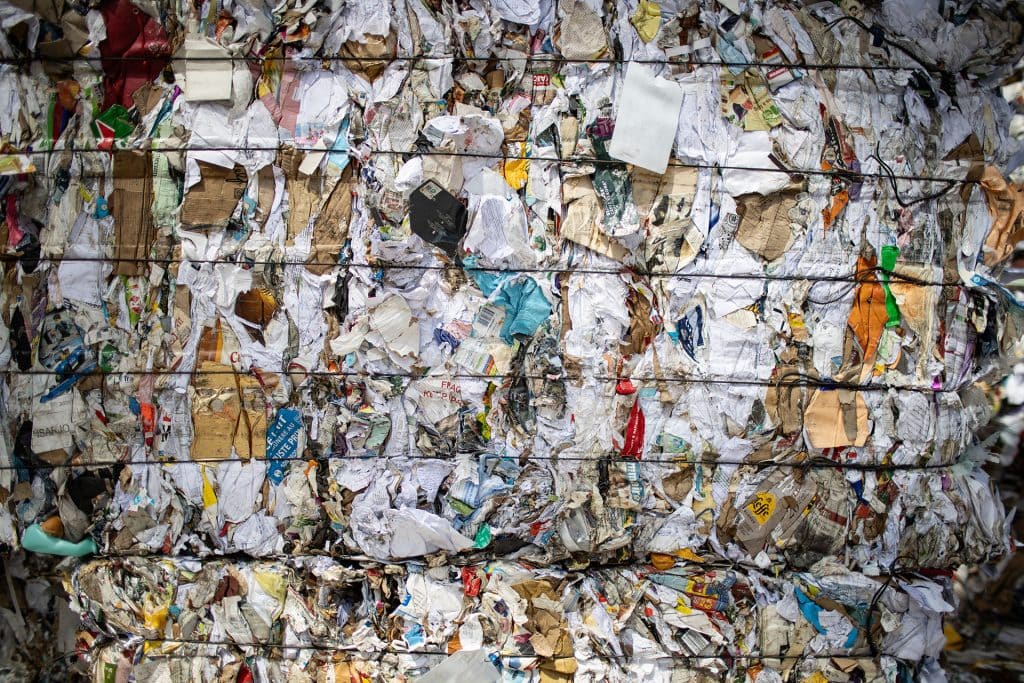

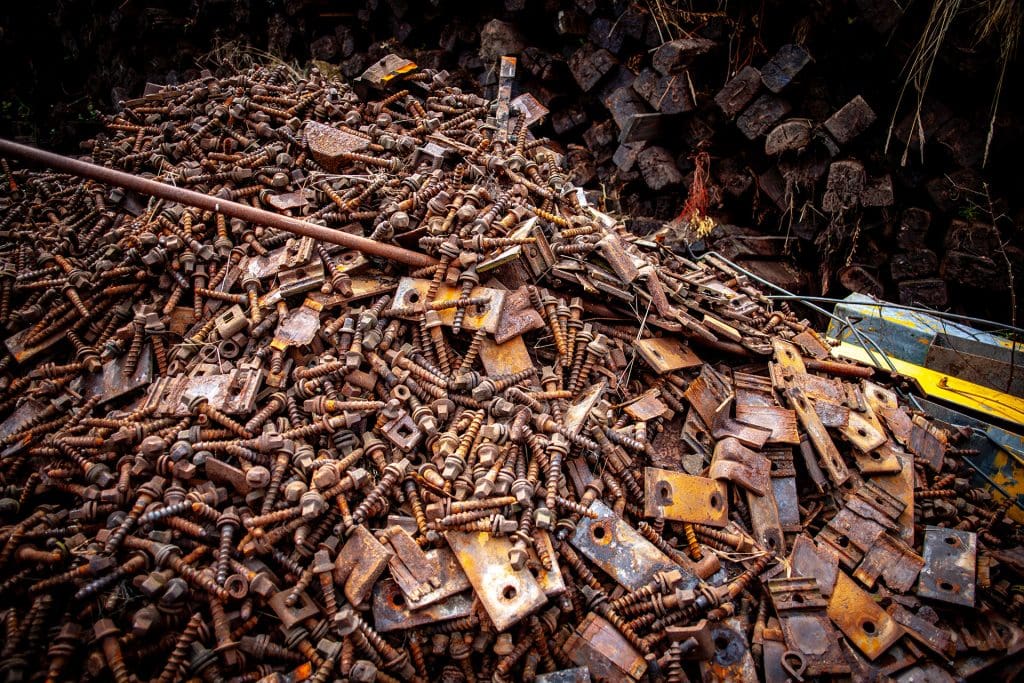
Whether waste paper, gravel or scrap metal – ongoing deliberate or accidental billing errors can lead to millions in losses over time.
Small deviations, big impact
A simple calculation example illustrates the economic dimension: If 15 processes per working day are underestimated by just 300 kilograms, this adds up to almost 200,000 euros in damages per year at 220 working days and 200 euros per ton. In industries with higher material values or larger volumes, this quickly becomes a six-figure – or as in the case of KNIPEX – seven-figure amount.
Scale specialist as a partner – not just for repairs
One aspect is often overlooked in the discussion about manipulation risks: the specialist weighing company itself is an important component in the traceability of your scale history.
Every maintenance, every repair, every calibration is documented by a qualified specialist company . These records are not only required by law. Together with your own operating records, they form the complete biography of your scales. If you rely on a specialist company that carefully maintains this documentation and makes it available on request, you have a reliable external source in the event of a dispute that proves the integrity of the device over time.
Furthermore, it is often the service technicians who are the first to notice unusual changes: a mechanically abnormal load plate position or an adjustment that does not match the last maintenance log. A good service technician actively addresses such anomalies instead of passing them over in silence. This is not a vote of no confidence in the operator – it is professional due diligence that benefits both sides.
If you want to know what the documentation status of your scales is, the easiest first step is to talk to your scales specialist.
Trust is good, documentation is better
Tampering with truck scales rarely starts with a dramatic intervention. It usually starts with small exceptions, convenient access rights, a lack of protocols and a process that is open to corrections but too weak for control. This applies to both in-house operations and contracted service providers.
The right response to this is not mistrust, but clarity: clear roles, auditable documentation, technical safeguards, regular plausibility checks and functioning reporting channels. This protects honest parties, deters dishonest ones and protects you in the event of a dispute.
If you would like to have your weighing process professionally checked, want to define your requirements for external service providers more clearly or want to know whether DAkkS calibration or a yard management system makes sense for your business, please contact us. As a specialist weighing company, we not only support you with maintenance, repair and calibration, but also help you to make the complete history of your system available and to set up your process in such a way that it can withstand any doubts. We ask the right questions – and help you to find the right answers.
Photos: SaSch/essmann.com (4), Visual__Productions (1)