On October 22, 2026, it will be determined whether your scale will still be legally permitted to weigh goods in January 2027 . By that date, the calibration application for every scale whose calibration period ends on December 31, 2026, must be submitted to the calibration office. Those who submit the application on time may continue to use the scale even if the calibration office does not come to inspect it until the new year. Those who miss the deadline will need permission from the authorities, and that permission is neither guaranteed nor free of charge.
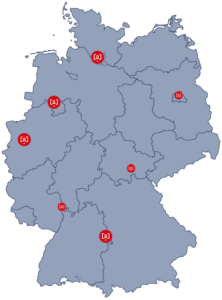
At ESSMANN | Scales & Automation, we see the same thing happen every fall: the calendars of the calibration authorities fill up, and the deadline approaches faster than expected. That’s why you’ll find a list of all 13 calibration authorities in Germany below, along with a direct link to the calibration application.
Or you can leave it all to us right away. We’ll handle the application, scheduling, maintenance, and calibration: Request recalibration
Which scales are affected by the effective date?
Any scale used in commercial or official transactions whose calibration period expires in 2026. Calibration periods of one year or more always expire on December 31, regardless of the date on which the scale was calibrated (§ 34(2) MessEV). For most scales, the verification period is two years; for non-automatic scales with a maximum capacity of 3,000 kg or more—including road vehicle scales—the period is three years.
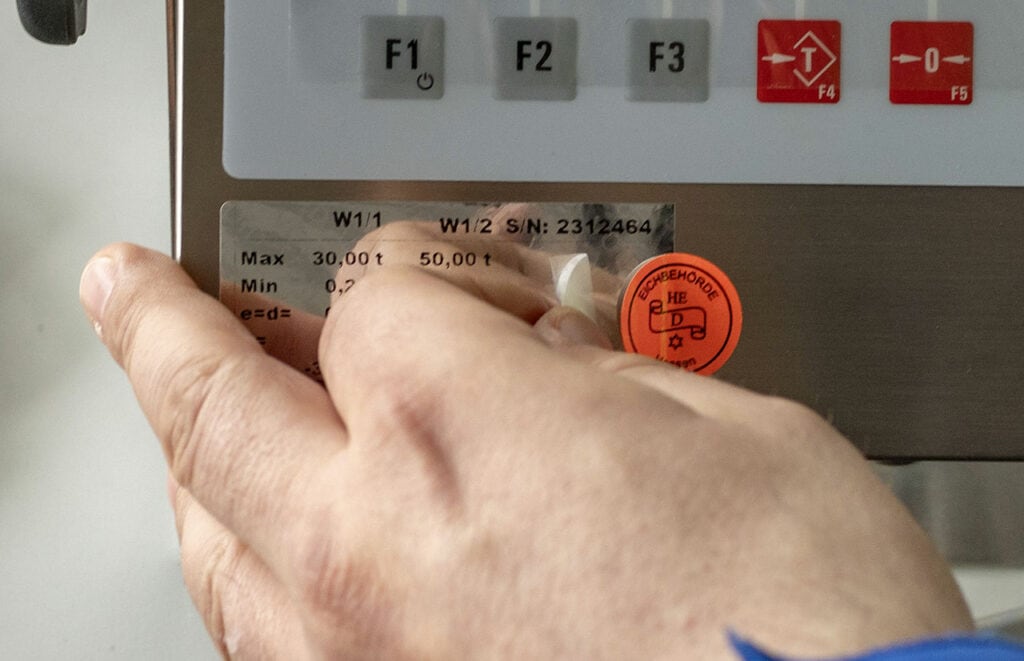
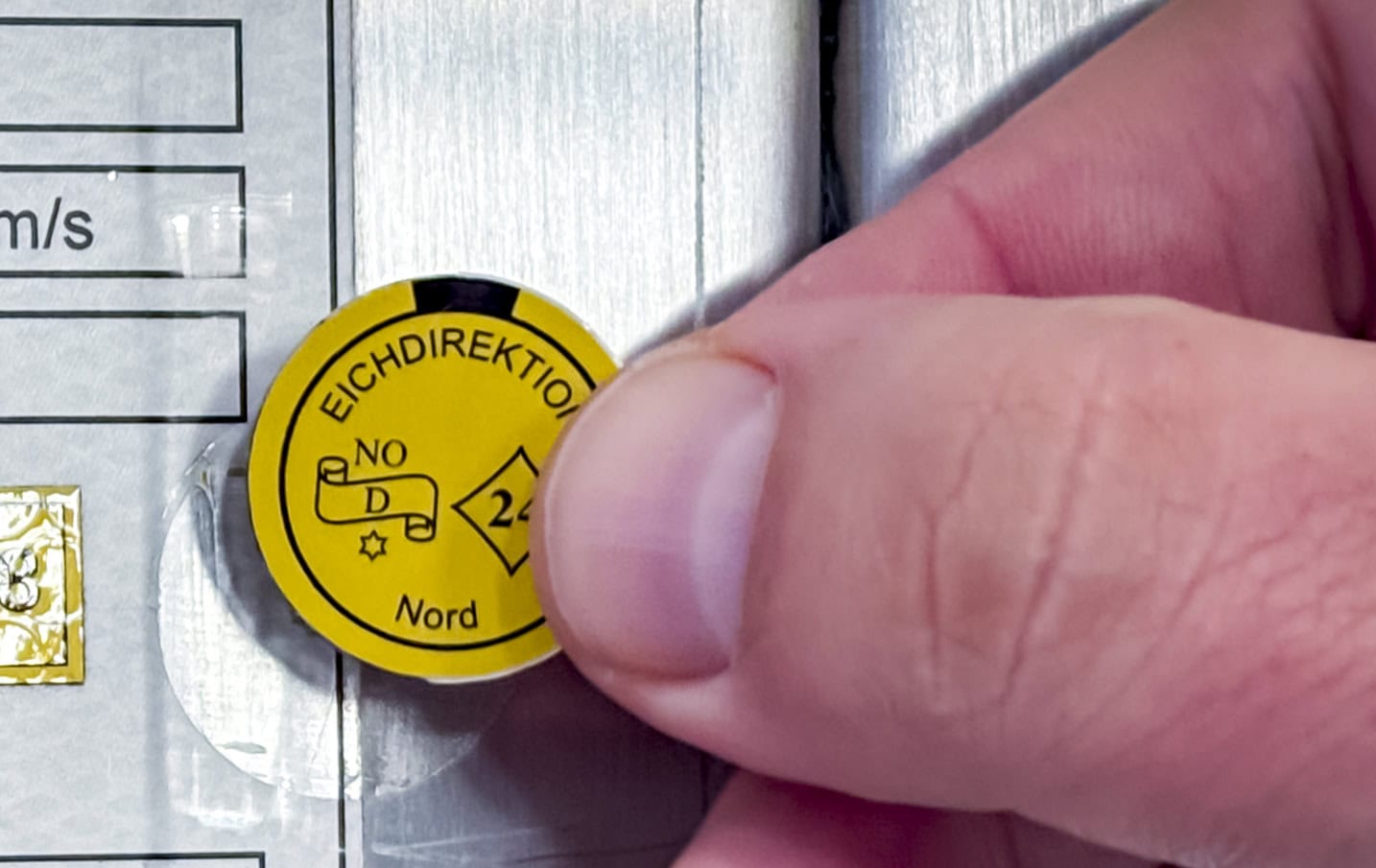
Here’s how to determine the due date based on the calibration mark: The year inside the diamond indicates the year in which the calibration period began. A retail scale marked “24” and a vehicle scale marked “23” must therefore be re-calibrated in 2026. For scales newly placed on the market, the year indicated by the metrology marking applies, such as “M24.”
What the Ten-Week Rule Entails
The Measurement and Calibration Act requires that the application be submitted at least ten weeks before the calibration period expires (Section 38, Sentence 1, MessEG). If your application is received by that time and you have fulfilled or offered to fulfill the requirements on your part, your scale will be considered calibrated after the new year until it is inspected. The necessary requirements include, for example, ensuring that the scale is accessible and that personnel or testing equipment are available on the inspection date, where required.
This regulation is federal law and applies equally in all 16 federal states.
What Applies After October 22
It is still possible to submit an application at a later date, but it will no longer be covered by the protection. If the calibration office is unable to complete the calibration by the end of the year, it may permit continued use until the inspection is conducted (Section 38, Sentence 2, of the Measurement Act [MessEG]). You have no legal right to this. The Bavarian State Office for Weights and Measures notes that this authorization notice is subject to a fee; the Hessian Calibration Directorate also mentions additional costs. Anyone who continues to weigh goods starting in January without calibration and without authorization is using an uncalibrated measuring device and risks a fine under § 60 MessEG.
The calibration application and the calibration appointment are two separate steps
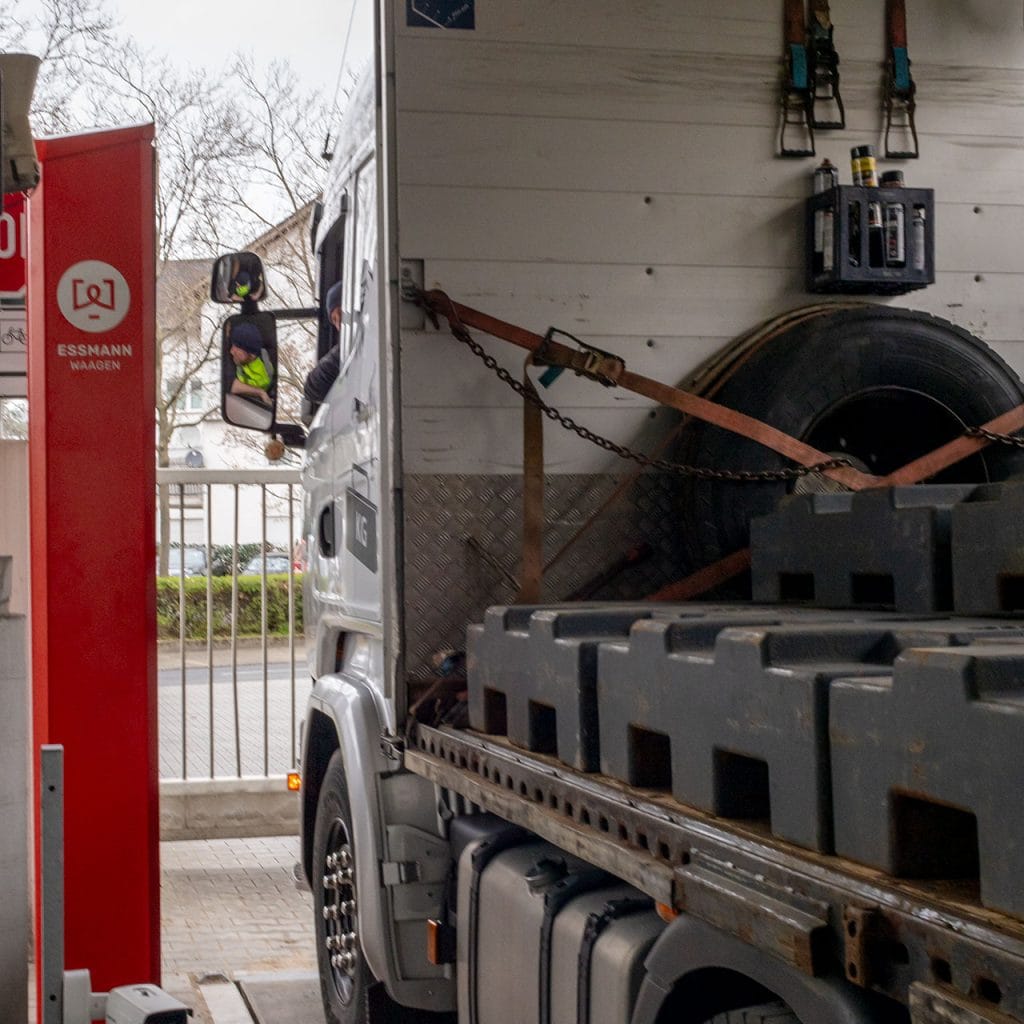
Submitting the application meets the deadline, but the calibration is not yet complete. Many calibration offices inspect store scales during their routine rounds without requiring a separate appointment. For large stationary scales, such as truck scales or container scales, a scheduled appointment is required, usually involving an inspection vehicle, standard weights, and a service technician on site. Such appointments are in short supply in the fall. The earlier you submit your application, the more likely the appointment will fit into your business operations—rather than the other way around.
Our tip: Combine calibration with maintenance. Service technicians can perform maintenance, adjustment, and calibration supervision all in one day, so your scale is out of service for only as long as necessary.
How to Submit a Calibration Request via DEMOL
No matter which calibration authority’s website you start with, you’ll almost always end up at DEMOL (“Digital Calibration Application – Report Online”), the joint portal of the German calibration authorities. The calibration authority responsible is the one in the federal state where the scale is located: Baden-Württemberg, Bavaria, Berlin and Brandenburg, Bremen, Hamburg, Schleswig-Holstein and Mecklenburg-Western Pomerania, Hesse, Lower Saxony, North Rhine-Westphalia, Rhineland-Palatinate, Saarland, Saxony, Saxony-Anhalt, Thuringia.
DEMOL asks for specific details, organized into three tabs. Under “Key Data,” select the office at the scale’s installation site—not your company’s headquarters—and the type of measuring device: A vehicle scale is typically non-automatic, while a belt scale is automatic. You’ll also need to provide the application year, phone number, and indicate whether you require a calibration certificate (which incurs a fee).
Under “Device Data,” the most important statement on the portal is highlighted in red: one device per application. For each additional scale, you must start over. You must provide the manufacturer, model, and maximum load, as well as the identification number from the nameplate—that is, the factory number, not the approval number next to it. However, for multiple scales, there is also a batch submission process via XML upload, which includes registration and a technical interface description.
Under “Customer Data,” select the location address from the provided lists. If it is not listed there, DEMOL will not automatically accept the application. After clicking “Finish,” you will receive a confirmation of receipt. Keep this confirmation; it serves as proof that the application was submitted on time.
No time to deal with the authorities? We’ll take care of it for you.
Let us know which scale is due for calibration in 2026. We’ll handle the calibration application, schedule the appointment with the calibration office, prepare the scale, and be on-site for the calibration—along with maintenance, if you’d like.
Our deadline: Friday, October 16, 2026. We must receive your appointment request by then to ensure the calibration application reaches the calibration office by October 22.
Request recalibration nowThree weeks go by faster than they sound
Check the calibration marks on your scales today and submit the application for any scales due for calibration. Keep the receipt of submission, as it serves as proof that the application was filed on time. And if a scale needs to be serviced or repaired anyway, schedule both for the same appointment.
ESSMANN | Scales & Automation handles the application, scheduling, and preparation for you, so your scale will be legally compliant from the very first workday in January: Request recalibration now.
Note: This article reflects the legal situation as of October 2, 2026, and is not a substitute for legal advice. Binding information is provided by the competent calibration authority.