IIn August 1996, software was installed for the first time at the Borsigstraße waste-to-energy plant in Hamburg—software that, at the time, no one would have predicted would have a thirty-year future: EWP, the weighing software from ESSMANN. It has been used in more than 1,000 customer projects since then. Many of these installations continue to weigh and record data day after day to this very day.
When I took over a 160-year-old company in 2021 together with Dr.-Ing. Fabian Ehmke and Dr.-Ing. Gregor Graßl, the EWP software—which was already 25 years old at the time—was part of the deal. At the time, I never would have thought that we’d be able to continue using it successfully for our customers for another five years. However, I quickly learned otherwise: EWP was one of the most flexible weighing applications on the market, built on such a solid foundation that it couldn’t simply be replaced on a whim.
The first reason for this is our close connection to the scale. We develop both the software and the weighing technology in-house. Everything—from the load cell to the finished weigh ticket—is perfectly coordinated. The second reason is compliance with calibration regulations as a fundamental design principle: interim receipts are printed automatically, corrections are made exclusively through traceable reversals, and nothing is deleted. Anyone who has ever had to deal with a dispute over a “missing” weighing result knows how important this is.
The third reason is perhaps the most important: EWP never intended to be more than what each business needed. Those who just wanted to weigh their goods got EWPsmart and could get started right away without any prior knowledge. Those who needed invoicing, freight cost calculation, quota management, or card payments chose EWP and added exactly the features they actually used. No one likes to pay for features they never use.
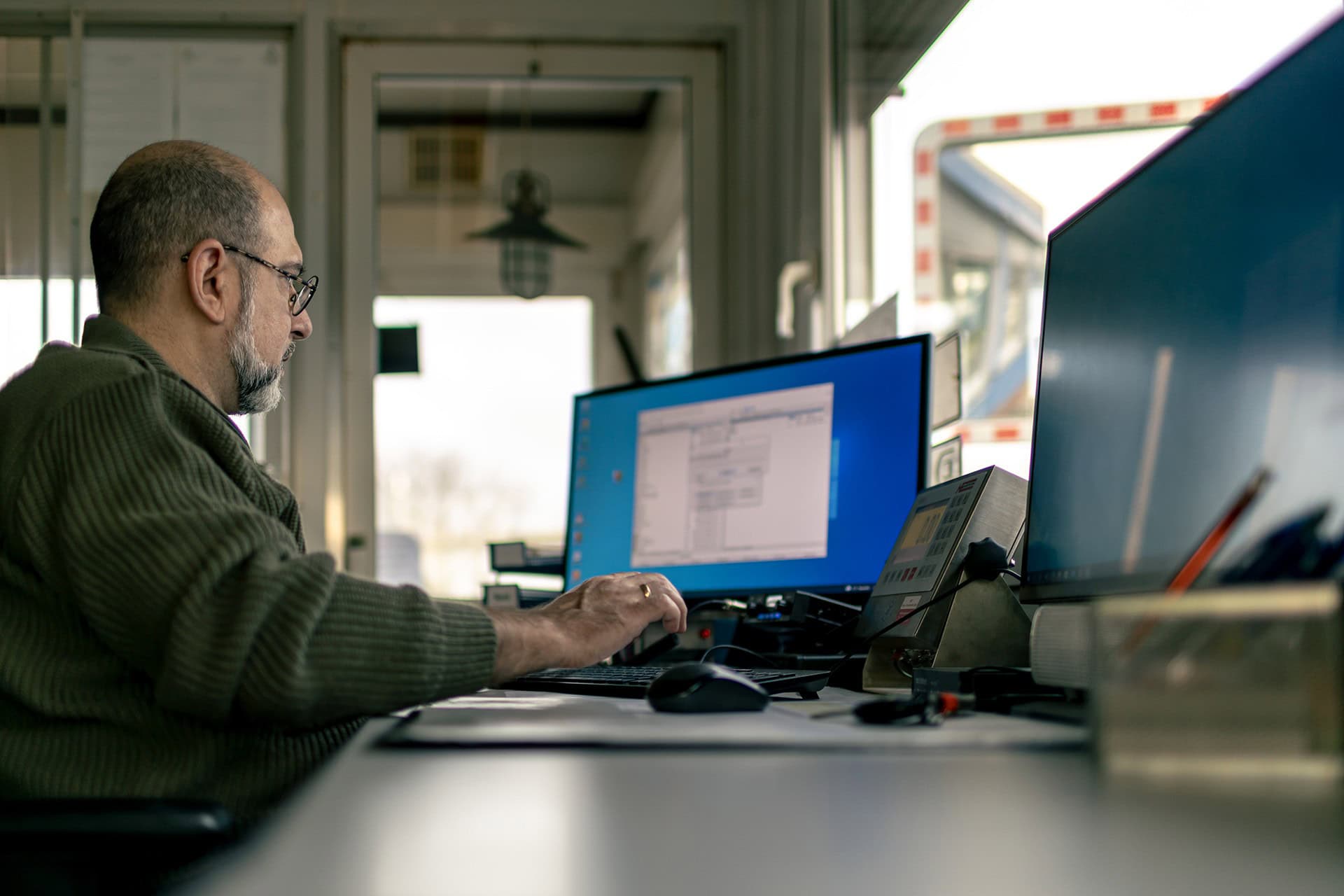
Meanwhile, the software continued to be developed throughout this time. The old waste code catalog became the European Waste Catalog, which in turn became the Waste Catalog Regulation—both were incorporated into the program. Even the Point-of-Sale Security Regulation, with its requirement for digital signatures, found its way into a software system that had evolved over nearly thirty years and was constantly being revised. Over the years, well over a thousand documented changes were made. This is a software system that has been quietly but continuously maintained and further developed.
30 Jahre EWP · 1996 – 2026
EWP – Die Reise einer Wägesoftware
Von der Auftragsentwicklung für eine einzige Hamburger Anlage zum modularen Wägeprogramm, das über tausendmal in ganz Deutschland zum Einsatz kam – und drei Jahrzehnte lang einfach lief.
August 1996
Der Anfang: eine Software für ein einziges Werk
EWP geht bei der Müllverbrennungsanlage Borsigstraße in Hamburg in Betrieb – bestellt von der Stadt Hamburg, geschrieben für genau diesen einen Betrieb. Dass eine Abfallanlage die erste Anwenderin war, prägt EWP für immer: Entsorgungsnachweise, Abfallschlüsselnummern und Betriebstagebuch sind von Beginn an eingebaut.
1996 – 1997
Aus der Einzelanfertigung wird ein Produkt
Nach der Inbetriebnahme in Hamburg wird EWP für den allgemeinen Markt weiterentwickelt – mit einem Ablauf, den jeder Betrieb nach seinen eigenen Anforderungen einrichten kann. In dieser Phase entsteht der modulare Aufbau, der EWP die kommenden Jahrzehnte trägt.
Oktober 1997
EWP kommt auf den Markt
EWP wird als neue Software beworben, gut ein Jahr nach der Erstinstallation. Schon damals im Angebot: die Übergabe an übergeordnete Systeme wie SAP und AS/400 sowie Schnittstellen zu den gängigen Office-Anwendungen.
1998
Gerüstet für Euro und Jahrtausendwechsel
Ein Werbebrief von 1998 argumentiert mit den großen Themen der Zeit: EWP ist Jahr-2000-fähig und hat den Euro bereits in der Barkasse integriert – Jahre vor der eigentlichen Bargeldumstellung. Zwei gefürchtete Umstellungen, die für EWP-Anwender folgenlos blieben.
Januar 2000
Der Millennium-Bug bleibt aus
Während anderswo Rechner auf den großen Absturz vorbereitet werden, wiegt EWP am Neujahrsmorgen einfach weiter, als wäre nichts gewesen. Für einen Betrieb, der auf verlässliche Wägedaten angewiesen ist, ist genau das der Idealfall.
2000er-Jahre
Eine ganze Produktfamilie
Aus EWP wird eine Familie: die schlanke Variante EWPsmart für den schnellen Einstieg erscheint, eine EWP-Version für Gleiswaagen mit dynamischer Zugverwägung, eine für Silo- und Umschlagwaagen mit bis zu vier Waagen an einem Rechner, und eine für Biogasanlagen und die Landwirtschaft mit Fahrerselbstbedienung per Funkhandsender.
2005 – 2014
Immer am Recht entlang
EWP wächst mit den Vorschriften: vom alten Abfallschlüssel-Katalog über den Europäischen Abfallkatalog bis zur Abfallverzeichnis-Verordnung. Bis 2014 umfasst die Modulübersicht über zwanzig Bausteine – vom Betriebstagebuch bis zur Frachtkostenberechnung.
2024
Auch mit Ende zwanzig noch dazugelernt
Selbst die Kassensicherungsverordnung, die Betriebe mit Barkasse zur digitalen Signatur ihrer Belege verpflichtet, findet noch ihren Weg in die inzwischen fast dreißig Jahre alte Software.
September 2025
Die letzte größere Codeänderung
Der letzte dokumentierte Eintrag in der Entwicklungshistorie stammt vom September 2025 – keine zehn Monate, bevor nun der Nachfolger EWA System startet. EWP wird bis zuletzt gepflegt – und weiterhin supportet.
Juli 2026
Altersteilzeit nach erfüllter Aufgabe
Nach 30 Jahren geht EWP aus dem Neugeschäft – es wird abgelöst vom neuen EWA System. Bestehende EWP-Installationen laufen weiter und werden selbstverständlich weiter betreut. Das gesammelte Wissen aus drei Jahrzehnten steckt heute im Nachfolger: browserbasiert, medienbruchfrei, flexibel – und für die nächsten Jahrzehnte gebaut.
Willkommen im EWA System.
Die neue Softwareplattform, die das Wissen und das Erbe von EWP sicher in die nächsten Jahrzehnte trägt.
Why EWP Is Being Phased Out Now
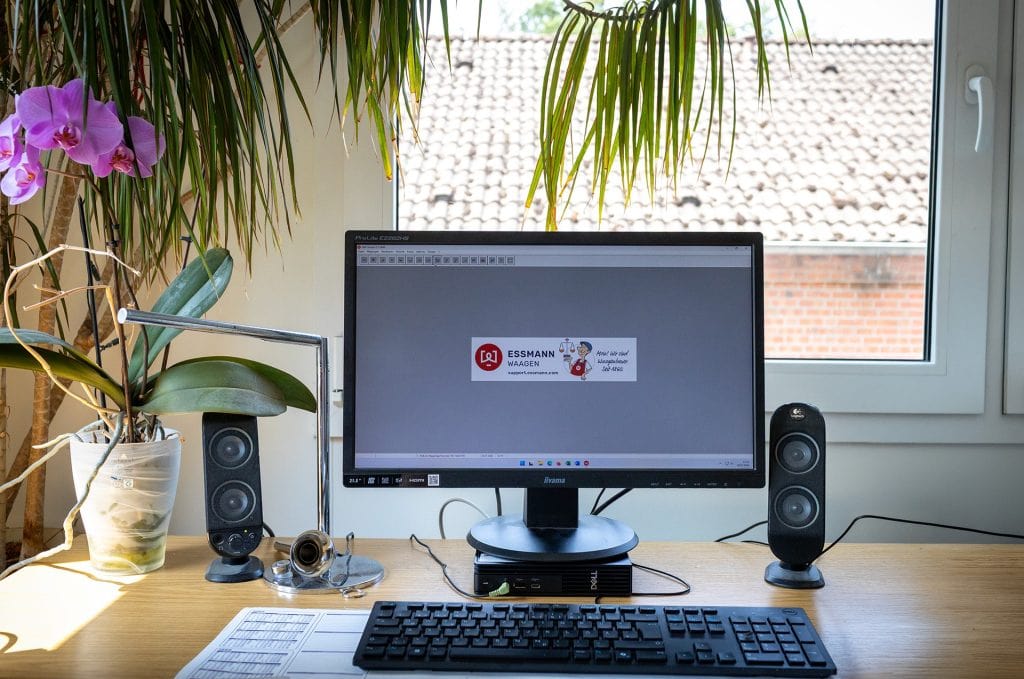
So why replace something that works so reliably? Because the world around EWP has changed. Software from 1996 is stuck on a computer in the weighing hut. It doesn’t support tablets, smartphones, or mobile access. For the task it was built to perform, that was exactly right. But for the way businesses want to operate today, it’s no longer sufficient.
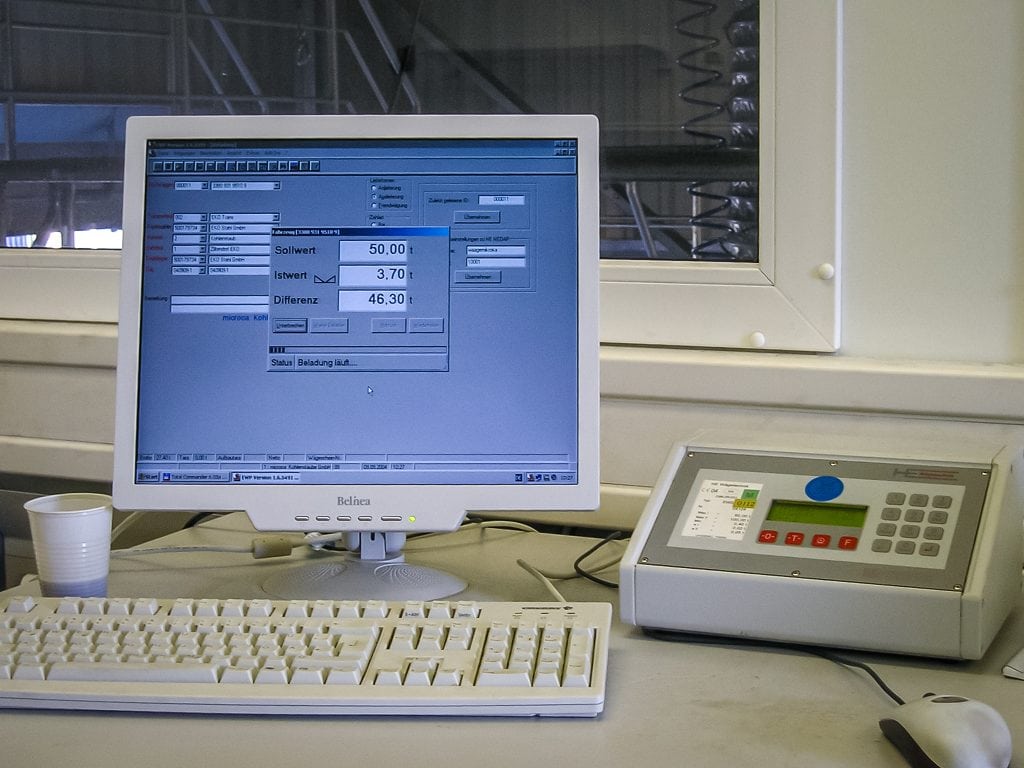
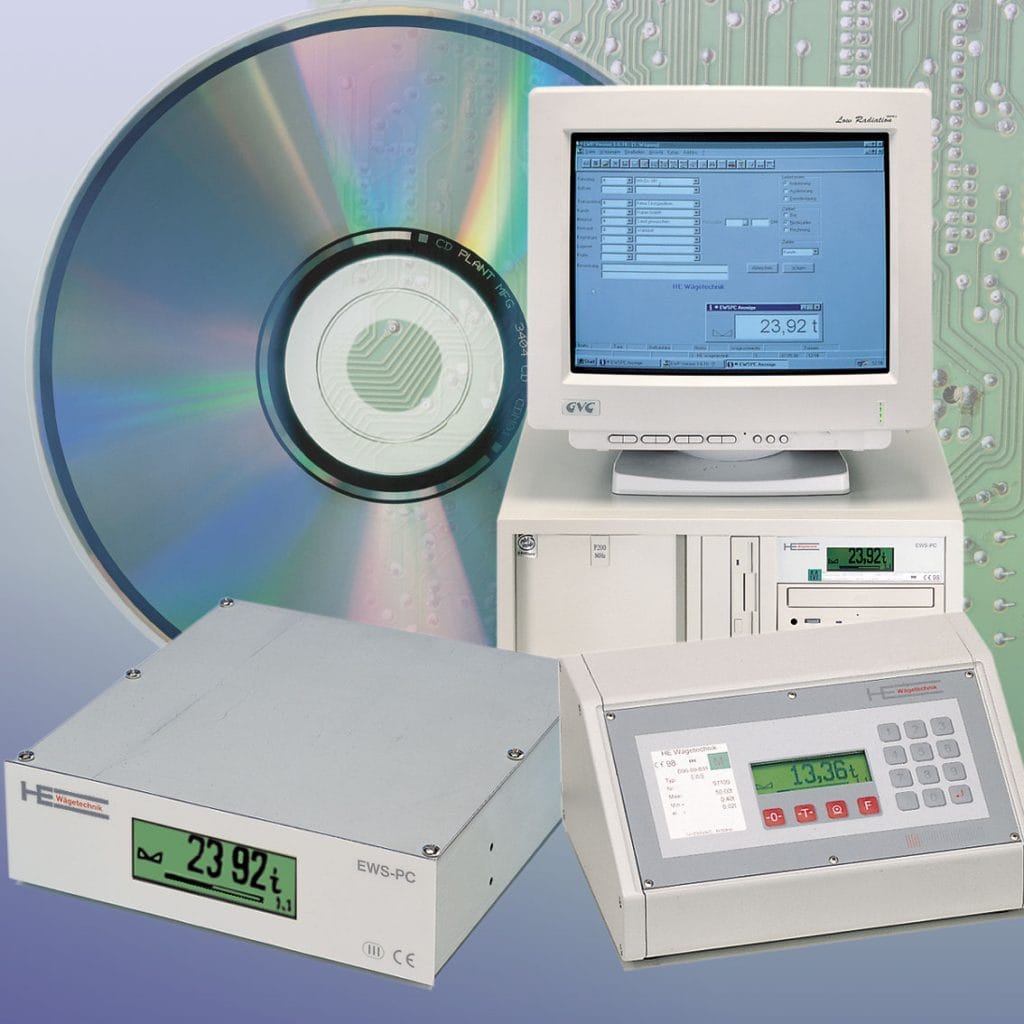
That’s why we’ve taken all the knowledge we’ve gained over thirty years at EWP and rebuilt it on a modern, secure technical foundation: the new EWA software platform. Everything EWP has learned through its work with various scales, across different industries, and under a wide range of conditions is now incorporated into this platform and will continue to be expanded—browser-based, accessible on mobile devices, and ready for the decades to come.
Decades of experience, new technologies
The fact that we can build upon such a solid foundation of knowledge is owed above all to our senior developers, who have been supporting ESSMANN—albeit with some interruptions—since the very beginning of EWP. While Sharam Gödel, one of the original EWP developers, and Martin Schababerle, an EWP expansion specialist and EWPsmart developer, spent several years in between working on other projects—including at an online news magazine and an aircraft manufacturer— Reinhard Ruhrig has been with ESSMANN continuously since 1998 and has carried out countless customizations for clients during that time.
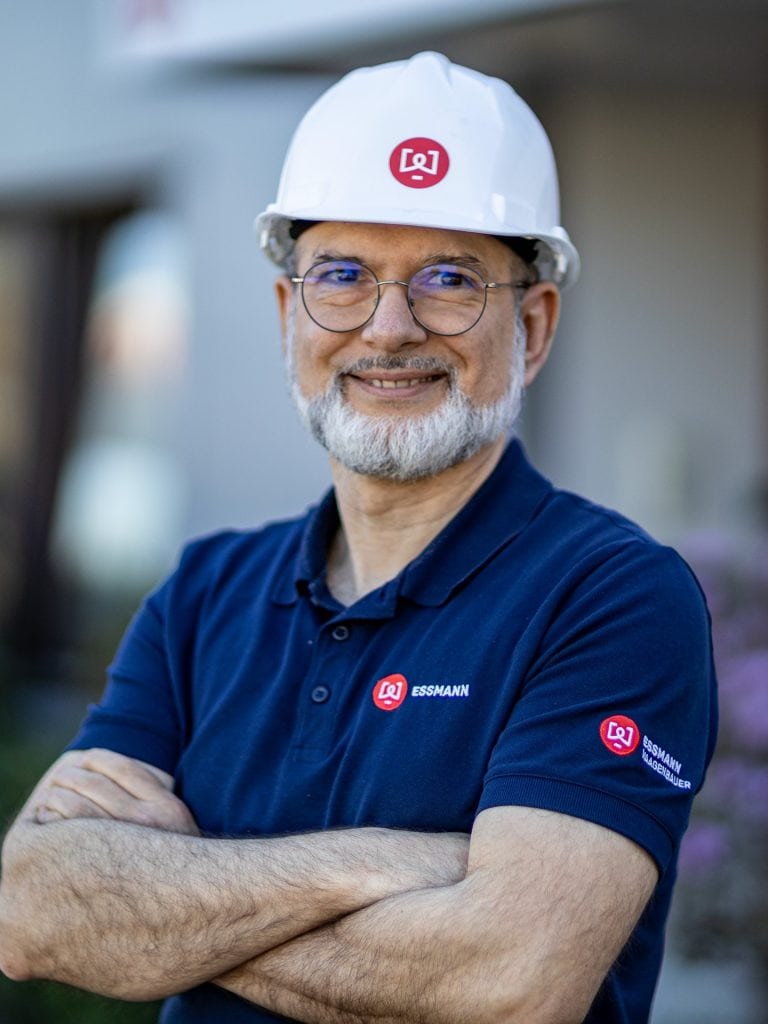
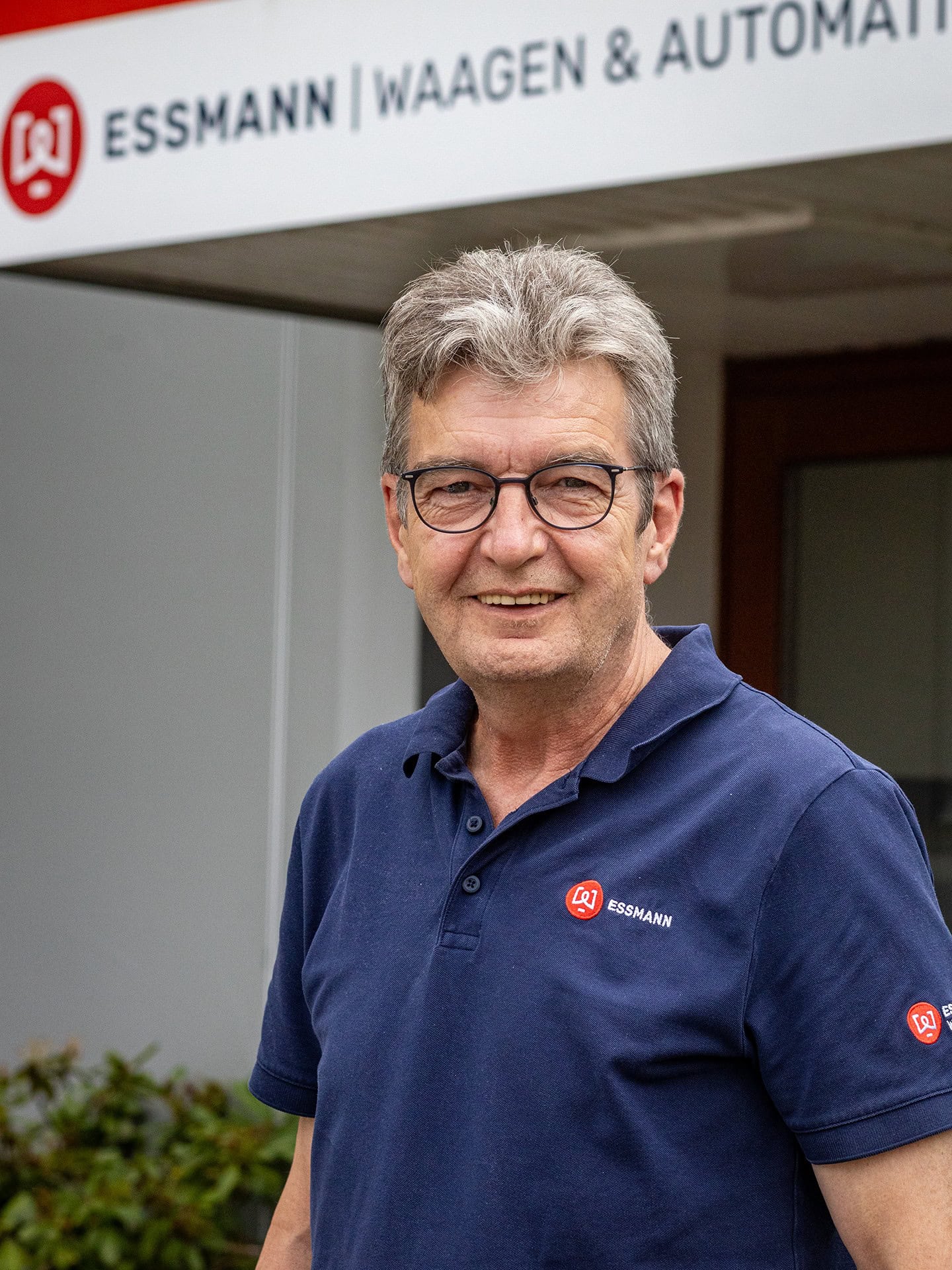
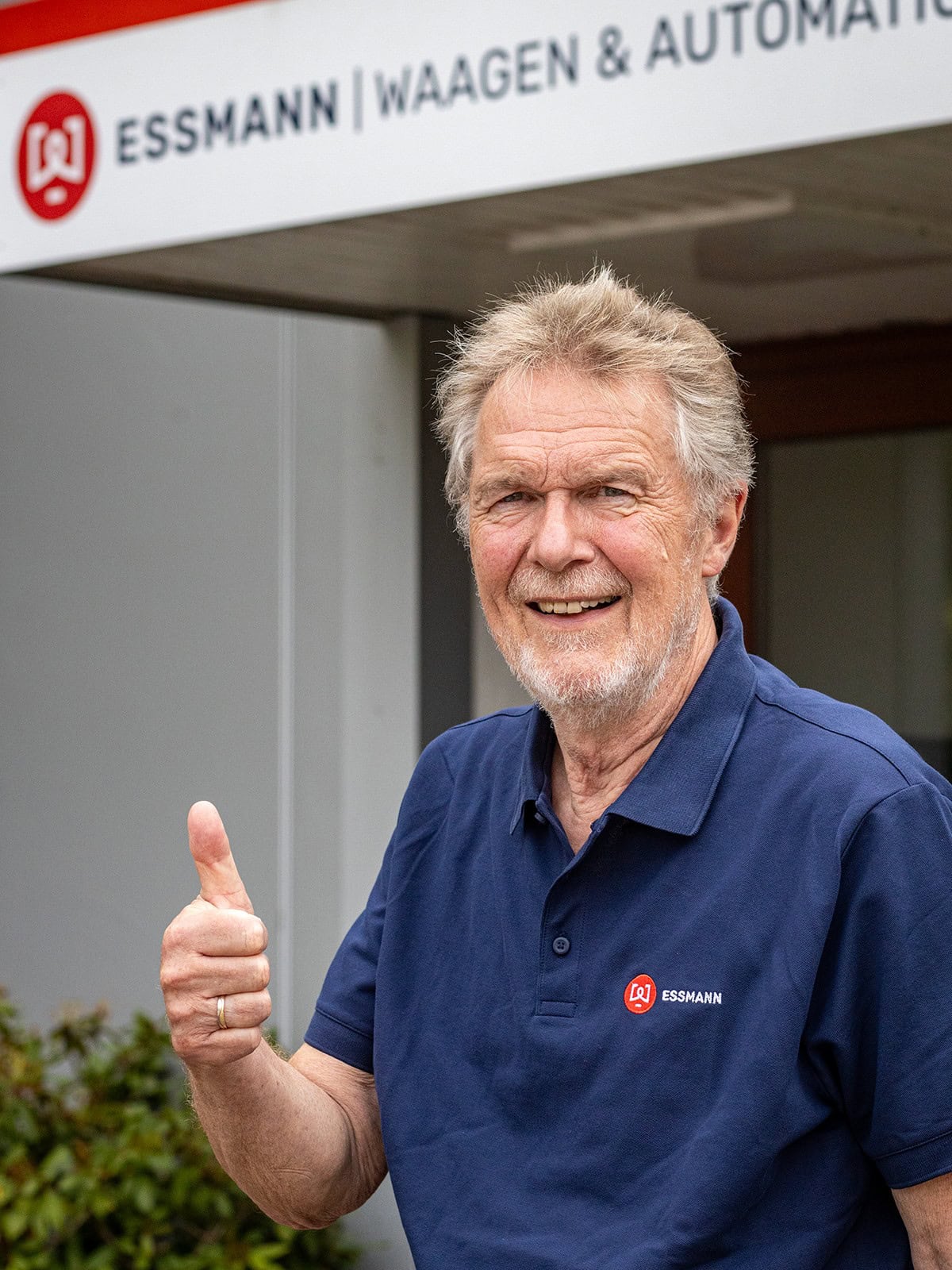
The senior team has been back at full strength since 2021. With its expertise in EWP and the industry—and with additional experience gained elsewhere—it wasn’t just a familiar presence that returned, but a wealth of knowledge, refreshed by new perspectives.
Today, they work alongside our young IT colleagues, who are at the cutting edge of the latest technologies. Together, they are developing, among other things, the new EWA software platform. This is only possible because we foster a culture of mutual appreciation and respectful collaboration across generations—and for that, I am very grateful. We know how much this means to us.
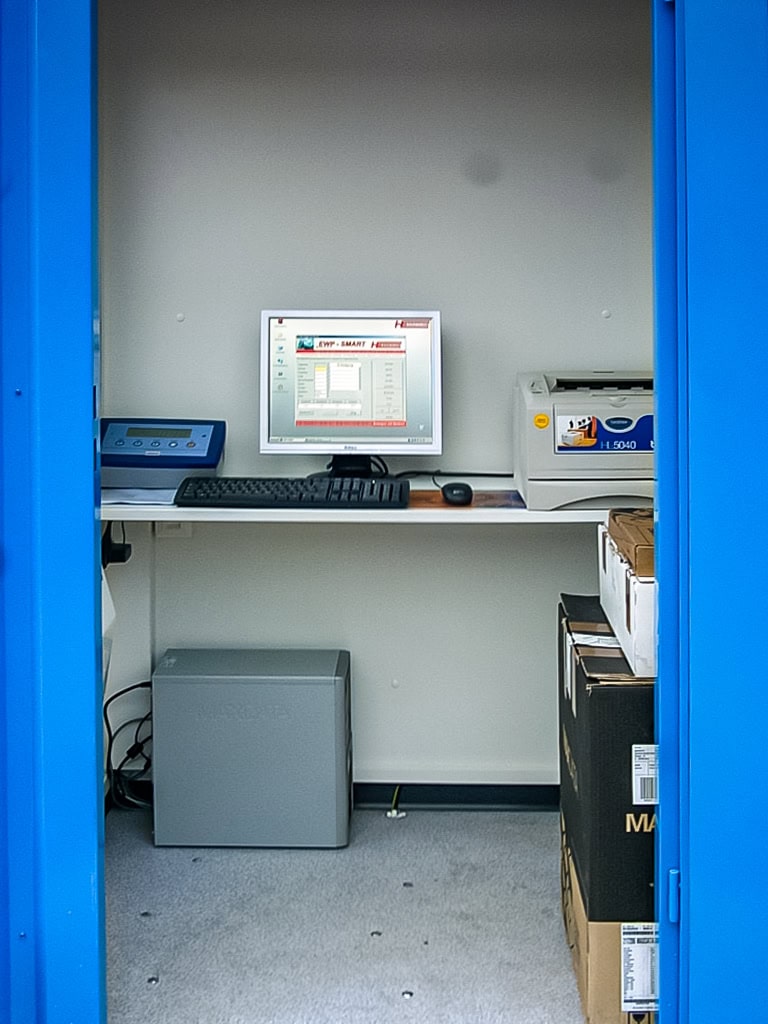
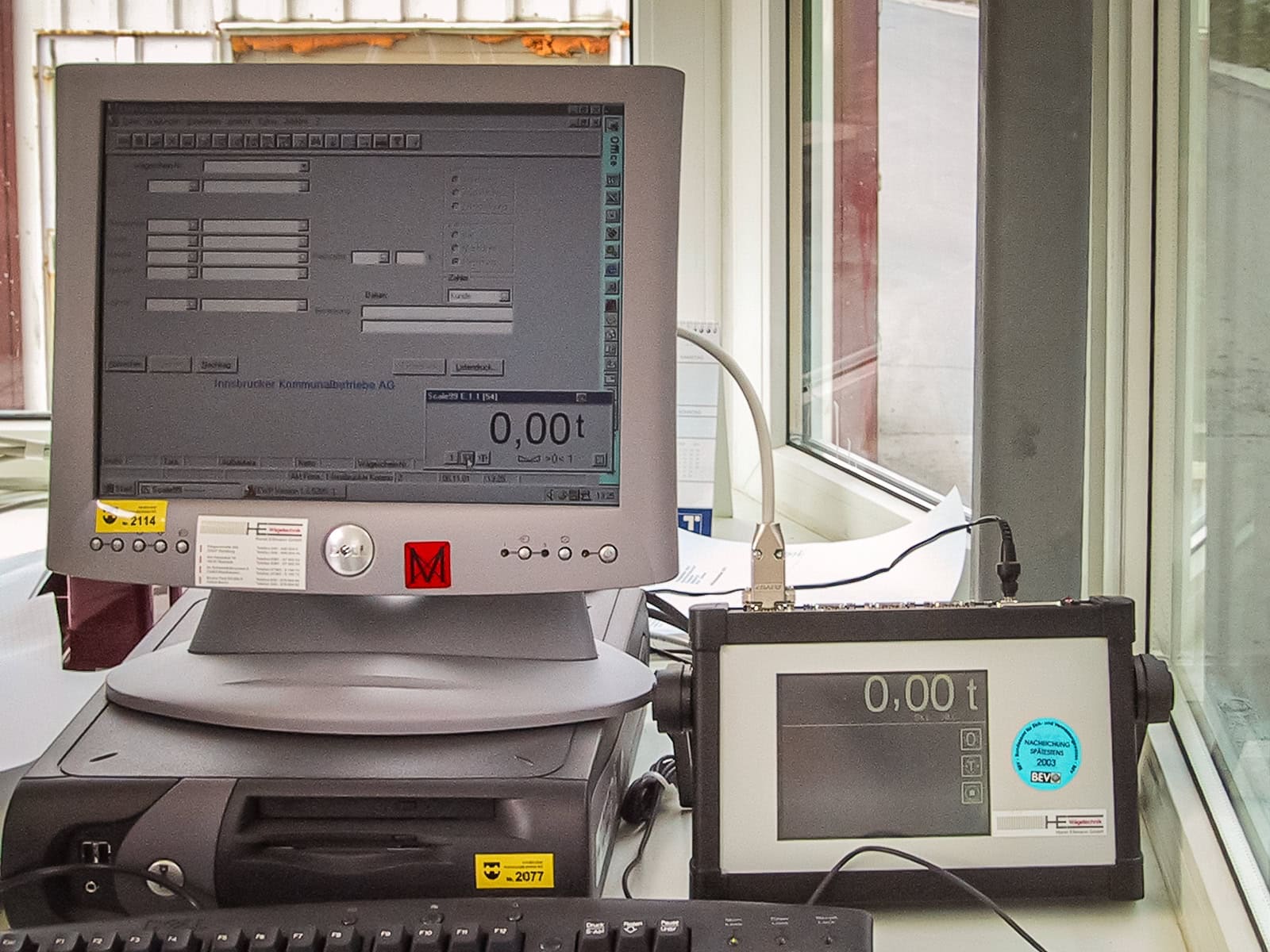
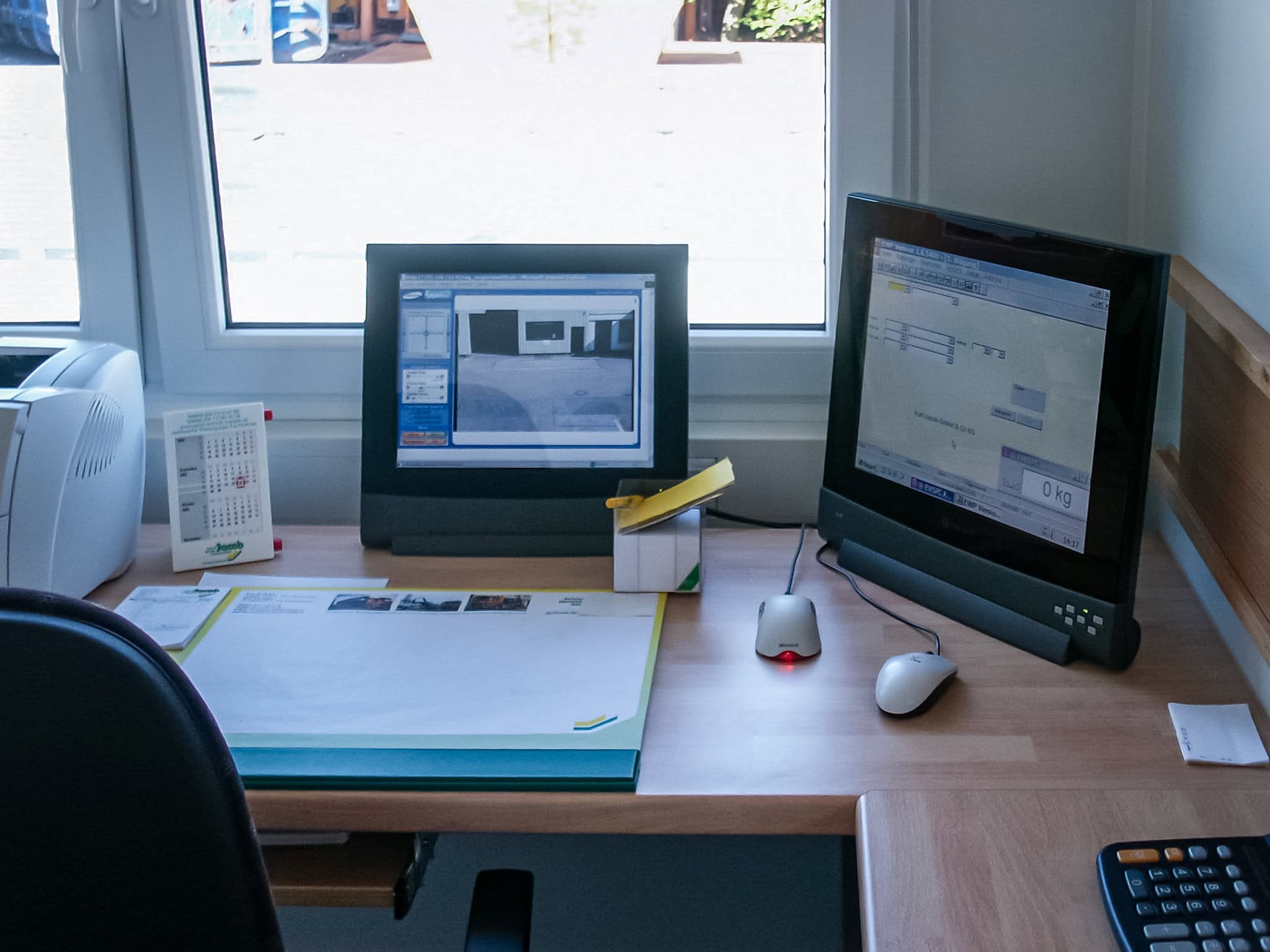
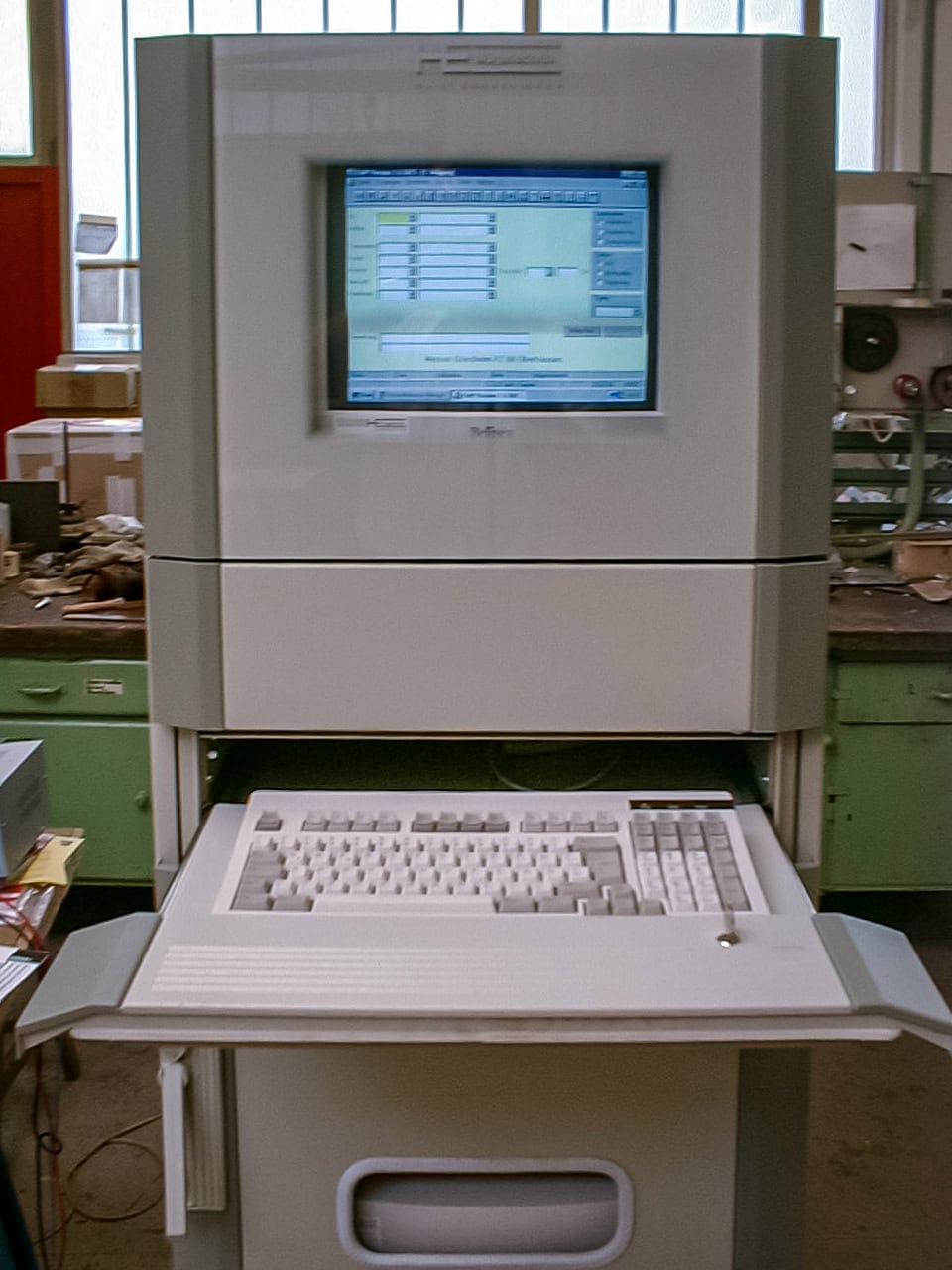
EWP is now entering a partial retirement program
Anyone currently using EWP won’t notice anything about the transition at first: Existing installations will continue to run and will be well supported by our team through June 2027. From now on, the EWA software platform will be writing the next chapter. For thirty years, EWP has proven what makes for solid weighing software—and has truly earned its transition into phased retirement.
What began in Hamburg in 1996 is now entering a new phase with the EWA software platform —we’d be delighted if you’d like to learn more about EWA.